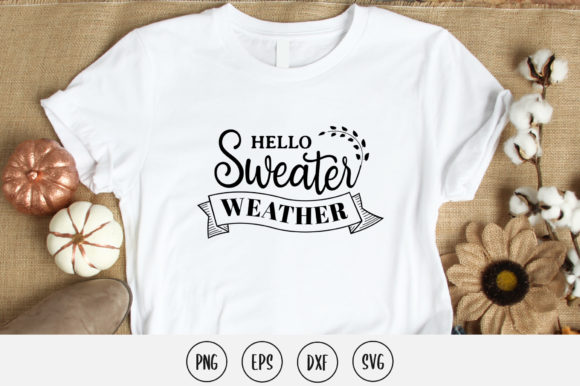
Hello Sweater Weather
As an embroidery designer and product reviewer, I’ve seen my fair share of digital files. But when I came across Hello Sweater Weather, I knew it had potential for real-world use. This design isn’t just a pretty image—it’s a functional template that could work well in a variety of projects. Let me walk through how it performs in practice and where it might shine or fall short.
The First Impression
From the moment I opened the file, Hello Sweater Weather felt like a cozy, inviting design. The layout is clean, with a soft, autumnal vibe that suggests sweaters, blankets, and warm beverages. The shape is straightforward, making it adaptable to different surfaces. It doesn’t have too many intricate details, which is a plus for practical embroidery work. The theme is simple but effective—perfect for a handmade product that needs to feel personal and meaningful.
The visual personality of Hello Sweater Weather leans toward comfort and nostalgia. It’s the kind of design that would fit well on a baby onesie, a holiday gift, or a custom tote bag. The level of detail is moderate, so it shouldn’t be too challenging for most embroidery machines. That said, it’s not overly simplistic either, which means it can still hold its own as a standout piece.
Real-World Embroidery Performance
I tested Hello Sweater Weather on a few different fabrics to see how it performed. On a cotton sweatshirt, it looked great—clean lines and even stitching. The design didn’t require too much stitch density, which is a relief if you’re working on a larger project. However, I noticed that on thinner or stretchy fabrics, the design could look a bit flat. That’s something to keep in mind if you're planning to use it on a delicate garment.
For a custom tote bag design, Hello Sweater Weather worked well. The size was appropriate for a standard hoop, and the layout allowed for easy placement. If you're using it on a cap or a hat, though, you might need to adjust the design slightly. Curved surfaces can sometimes distort the look of a flat design, so testing it on a mockup first is always a good idea.
When I tried Hello Sweater Weather on a baby onesie, it added a nice touch of warmth and charm. The design wasn’t too detailed, which is ideal for small spaces. It also made a great personalized gift, especially during the colder months. For holiday embroidery, it could easily be adapted into a festive piece with the right thread colors and background fabric.
Where to Use Carefully
While Hello Sweater Weather has a lot to offer, there are some situations where it might not perform as well. If you're working with a small hoop, this design could be a bit too large. You might need to scale it down or split it into sections. Similarly, on textured fabrics or dark backgrounds, the design might not show up as clearly as you’d like.
Thin or stretchy fabrics can also be a challenge. The design might not hold up well under repeated washing, especially if the stitch density is too low. It’s important to test it on a scrap piece first and make sure the stabilizer is sufficient. For layered garments or curved surfaces like caps, you may need to adjust the design or use a different file format.
Small details, like tiny lettering or decorative accents, could be tricky with Hello Sweater Weather. If you're looking for a more intricate design, this might not be the best choice. But for a clean, minimalist look, it works well.
Impact on Visual Appeal and Customer Trust
One of the things I appreciate about Hello Sweater Weather is how it adds value to a finished product. A well-executed embroidery design can elevate a simple item into something special. Whether it's a custom sweatshirt, a baby onesie, or a holiday gift, the design feels thoughtful and intentional.
From a customer perspective, this design could help build trust. A clear, professional-looking embroidery project makes a strong impression, especially for small business owners or Etsy sellers. It also enhances the handmade presentation, making your products stand out in a crowded market.
Brand consistency is another factor. If you're using Hello Sweater Weather as part of a larger collection, it should fit naturally within your aesthetic. It’s versatile enough to work with different color schemes and fabric types, which is a big plus for creative entrepreneurs.
Practical Designer Notes
If you're considering using Hello Sweater Weather in your next project, here are a few tips to keep in mind:
- Test the design on scrap fabric before committing to a final product.
- Check thread color contrast against the fabric to ensure visibility.
- Review the stitch density to make sure it's suitable for your project.
- Confirm the hoop size required for your machine.
- Inspect small details like corners and lettering for accuracy.
- Try it in black and white mockups to see how it looks without color.
- Compare it on light and dark fabric backgrounds for versatility.
- Use the proper stabilizer to prevent puckering or distortion.
- Make sure it works for both personal and commercial use.
- Verify licensing terms before selling finished items or digital products.
Hello Sweater Weather is a solid choice for a wide range of embroidery projects. Its clean design and adaptable layout make it a valuable addition to any designer’s toolkit. Whether you're creating a handmade product, a personalized gift, or a small shop merchandise item, this design has the potential to add warmth and character to your work.